Gear & Safety — Ride Prepared
Dirt Bike Gear & Safety Setup for Arizona Riding
Desert riding is world-class and it doesn't forgive shortcuts. Here's exactly what to wear, what to carry, and what the law requires — so you show up ready, legal, and safe.
The gear that keeps you riding
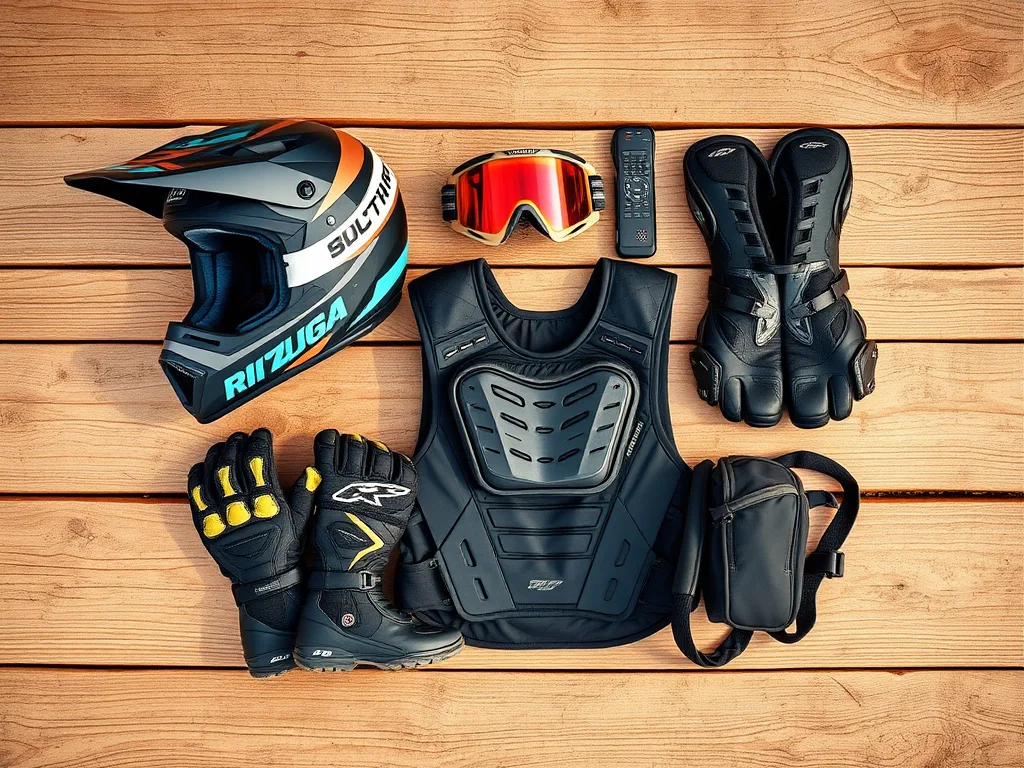
Protective gear isn't about looking the part — it's the difference between a tip-over you laugh about and one that ends your trip. On every tour and most rentals we provide a complete gear package, but whether it's ours or yours, this is the kit that matters.
- Full-face off-road helmet (DOT/ECE rated) — non-negotiable, always
- Goggles to keep dust and sun out of your eyes
- Off-road boots that protect ankles and shins
- Gloves for grip and hand protection
- Riding jersey and pants (or vented gear for hot days)
- Chest protector and knee guards for added protection
Dress for the desert
Arizona's climate shapes what you wear. In the cooler months, standard riding gear over a base layer is perfect. In the heat, vented jerseys, moisture-wicking base layers, and lightweight protection keep you cool without giving up safety. Long sleeves and pants also protect against sun and the occasional brush with a cactus or catclaw.
Whatever the season, plan for big temperature swings — desert mornings can be cold and afternoons scorching. Layers you can shed and stash are your friend. If you're riding with us, we'll tell you exactly what to bring for the day and the area.
Hydration is a safety system, not a nice-to-have
Heat and dehydration are the number-one hazard of desert riding — well ahead of crashes for most riders. The dry air hides how much you're sweating, and by the time you feel thirsty you're already behind. Aggressive, constant hydration is the single most important thing you can do.
Carry a hydration pack and drink on a schedule, not on thirst. Add electrolytes on hot days. On our tours, hydration is planned into the ride — we carry water, build in stops, and watch riders for early signs of heat stress. In summer, we start at dawn or move to the high country entirely.
Arizona's OHV decal and safety-course rules
Riding legally off-highway in Arizona requires the state's OHV decal. It costs $25 annually (plus a processing fee), applies to off-highway vehicles under 1,800 pounds unladen, and is available through ADOT MVD offices, third-party providers, or online. On a two-wheeled OHV the decal goes on the left fork leg; on other machines it's on the upper-left of the plate.
Since January 1, 2025, at least one owner per OHV must also complete a free online safety course — about a 10-minute video and a 20-question quiz — before registering or renewing the decal. That requirement runs through June 1, 2027. If you're riding on a guided tour, the operator handles the machine's requirements; if you're renting to ride solo on public land, we'll tell you exactly what applies to you.
Street-legal vs. off-road
It's a common mix-up: an OHV decal is not the same as a street-legal registration. The decal covers off-highway use on trails, forest roads, and designated OHV areas. Riding on public streets requires a bike that's registered street-legal through MVD, with a plate displayed on the rear — a different, more involved process.
Most rental dirt bikes are off-highway only. A limited number of dual-sport machines are plated for street use, which lets you legally connect trailheads by road. Always confirm which category your bike falls into before you ride — we make that clear on every rental.
Monsoon, flash floods, and reading conditions
Arizona's summer monsoon — roughly July through September — brings sudden, violent storms and flash flooding. Wash- and canyon-based riding areas like Box Canyon can flood from rain falling 20 miles away, under a blue sky where you're standing. Never ride into a flowing wash, and never camp in one.
Beyond monsoon, respect the basics: tell someone your plan, carry water and a basic tool and tire kit, ride within your ability, and turn around when conditions turn. Our guides monitor weather and trail conditions constantly and will reroute or reschedule when a ride isn't safe — the desert will still be there next weekend.
Show up ready to ride
Book a tour or rental and the gear and safety planning are handled — you just bring a base layer, sunglasses, sunscreen, and the willingness to hydrate hard. New riders should pair gear with a lesson so the fundamentals are solid before hitting the trail.
Questions about what to bring for your specific ride or area? Request a ride through the booking form and we'll walk you through it.
Gear & Safety FAQs
Answers before you ride
Wear a full-face helmet, goggles, off-road boots, gloves, and riding jersey and pants (vented in the heat), over a moisture-wicking base layer. Bring sunscreen, sunglasses, and — most important — plenty of water. We provide full protective gear on tours and most rentals.
For off-highway riding on public land, yes — Arizona requires a $25 annual OHV decal for machines under 1,800 lbs unladen. Guided-tour riders are covered under the operator; if you rent to ride solo on public land you'll need it. We'll tell you exactly what applies to your ride.
Yes. Since January 1, 2025, at least one owner per OHV must complete a free online safety course — roughly a 10-minute video and a 20-question quiz — before registering or renewing the OHV decal. The requirement is in effect through June 1, 2027.
Heat and dehydration are the top desert-riding hazard. Carry a hydration pack, drink on a schedule rather than waiting for thirst, add electrolytes on hot days, and ride early or in the high country in summer. Our guides plan hydration into every ride and watch for heat stress.
Ready to ride the Arizona desert?
Bikes and full gear provided, all skill levels welcome. Tell us your dates and we'll build the ride — book a tour, reserve a rental, or request a lesson.